

Verified Treatment Center
Perinatal Substance Abuse Program (PSAP)
San Jose, CA · 95128
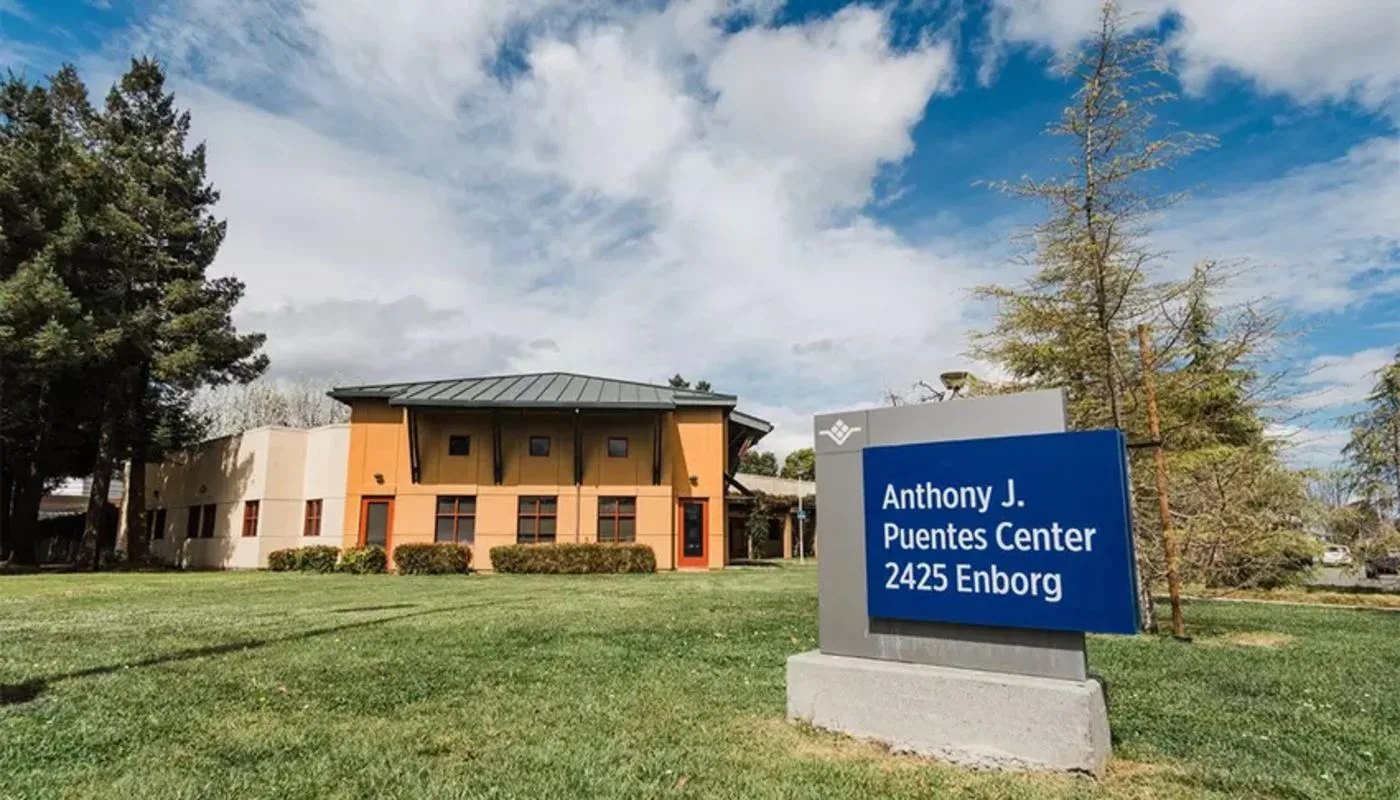

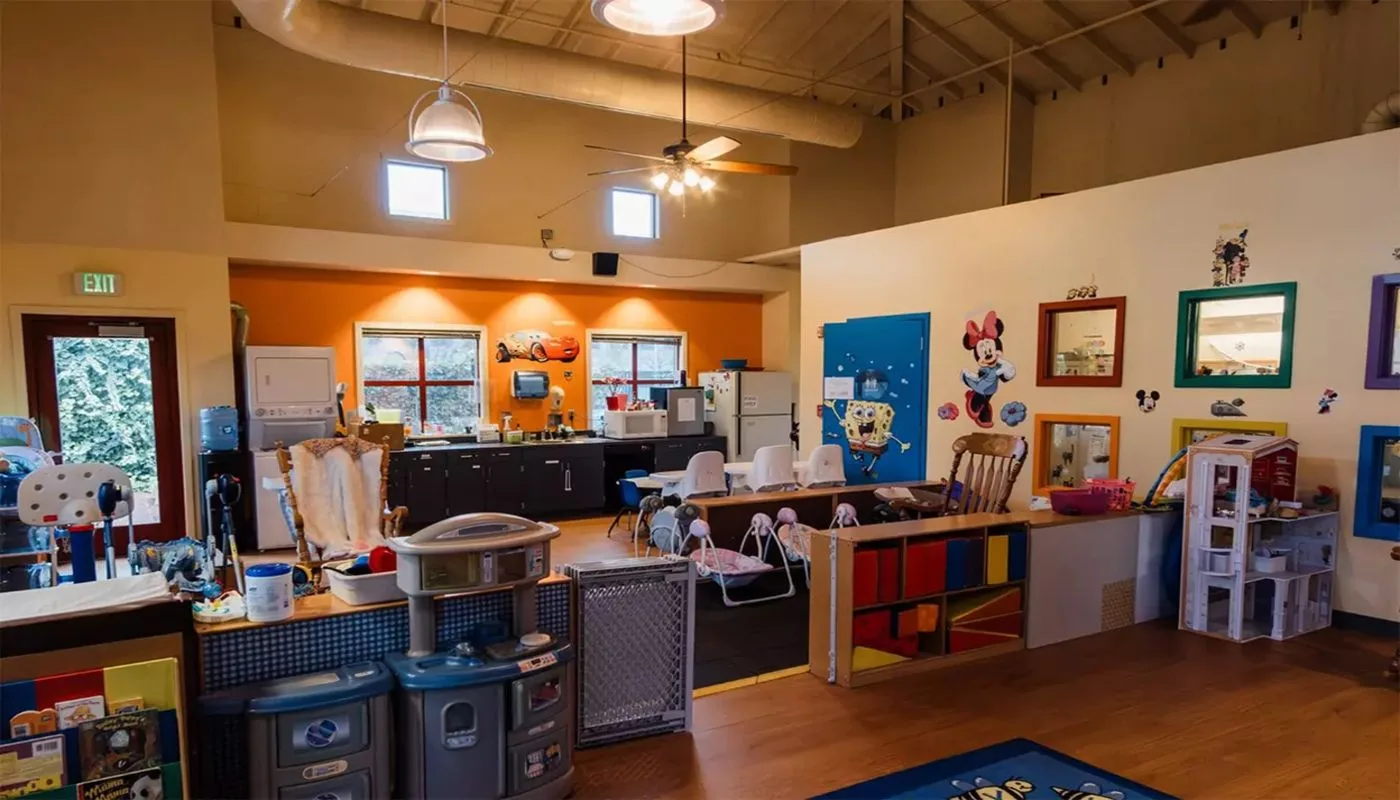
Photos sourced from facility public listings · Click to view full size
Key Takeaways for Perinatal Substance Abuse Program (PSAP)
- • IOP · MAT offered
- • Accepts Medicaid, Medicare, Private insurance, TRICARE/VA
- • SAMHSA-listed facility
- • Direct line available · Helpline free & confidential 24/7
About Perinatal Substance Abuse Program (PSAP)
Perinatal Substance Abuse Program (PSAP) (San Jose, CA) is a SAMHSA Behavioral Health Treatment Services Locator-registered facility. The facility's programming is outpatient (IOP, MAT), not residential. Evaluation of this facility against current clinical standards should encompass ASAM 4e framework alignment, MAT policy, and payer-specific network status.
Care levels at Perinatal Substance Abuse Program (PSAP)
Perinatal Substance Abuse Program (PSAP) is an outpatient-focused program (IOP, MAT) — patients live at home or in sober living and attend treatment sessions. This level of care is clinically appropriate for mild-to-moderate substance use disorder, or for patients stepping down from residential. Operational prerequisite for admission: documented clinical assessment establishing medical necessity for the specific level of care Perinatal Substance Abuse Program (PSAP) provides. The ASAM Criteria 4e framework is the benchmark standard for this assessment and is referenced in most major payer medical-necessity documents.
Insurance and payment
Perinatal Substance Abuse Program (PSAP) accepts both Medicaid and commercial insurance, which is the broadest payer profile and typically correlates with programs that operate at scale across the economic spectrum. The facility also accepts TRICARE or military benefits. Benefit verification should be obtained in writing prior to admission and should document: network contract status for the specific insurance product, prior authorization requirements and approved day-count, applicable cost-sharing structure, and out-of-network secondary coverage (where applicable). Proceeding on verbal VOB creates material risk of post-admission benefit dispute.
Specialty programming
The facility's documented specialty programming includes: Adolescents, Young adults, Adult women. Specialty-program verification requires review of: (a) dedicated specialty-track programming hours per week; (b) specialty-credentialed clinical staffing (e.g., LCSW with trauma specialization, perinatal-nurse certification, adolescent-development training); (c) specialty-specific clinical assessment protocols; (d) specialty-specific outcome measurement. Marketing designation alone is insufficient for clinical confidence.
Before you call
Pre-admission documentation for Perinatal Substance Abuse Program (PSAP) should include ASAM-framework level-of-care justification, plan-specific Verification of Benefits with network-contract confirmation, written MAT policy for opioid use disorder patients where applicable, and licensure/accreditation verification. The facility's documented pharmacotherapy offerings suggest MAT is available — confirm the specific medications and prescriber access during the admissions conversation.
Listing sourced from the SAMHSA Behavioral Health Treatment Services Locator. Data last synced June 2026. Verify current programs directly with the facility.
Perinatal Substance Abuse Program (PSAP) at a Glance
Levels of care
IOP · MAT
Service settings
Outpatient, Intensive outpatient treatment, Outpatient methadone/buprenorphine or naltrexone treatment, Regular outpatient treatment
Therapy approaches
Anger management, Brief intervention, Cognitive behavioral therapy, Contingency management/motivational incentives, Motivational interviewing, Relapse prevention
Age groups
Children/Adolescents
Special populations
Adolescents, Young adults, Adult women, Pregnant/postpartum women, Veterans, Active duty military
Medications
Buprenorphine with naloxone, Buprenorphine without naloxone, Naltrexone (oral), Naltrexone (extended-release, injectable), Nicotine replacement, Non-nicotine smoking/tobacco cessation
Insurance & Payment Accepted
Confirm in-network status before admission — verification is free.
Medicaid
Coverage details →Medicare
Coverage details →Private insurance
Coverage details →TRICARE / VA
Coverage details →Contact & Location
Address
2425 Enborg Lane, San Jose, CA 95128
Facility direct line
(408) 885-5400Website
bhsd.sccgov.orgQuestions about this facility
Common questions about Perinatal Substance Abuse Program (PSAP)
Answered from public sources: SAMHSA listings, federal parity regulations, and our own admissions helpline intake notes.
Is Perinatal Substance Abuse Program (PSAP) listed in the SAMHSA Treatment Services Locator?
What insurance does Perinatal Substance Abuse Program (PSAP) accept?
How do I know if this level of care is right for me?
Is calling confidential? Will my employer find out?
What happens if I call the helpline instead of the facility?
Similar facilities nearby