
Verified Treatment Center
Zen House Transitional Living
Hamilton, OH · 45011
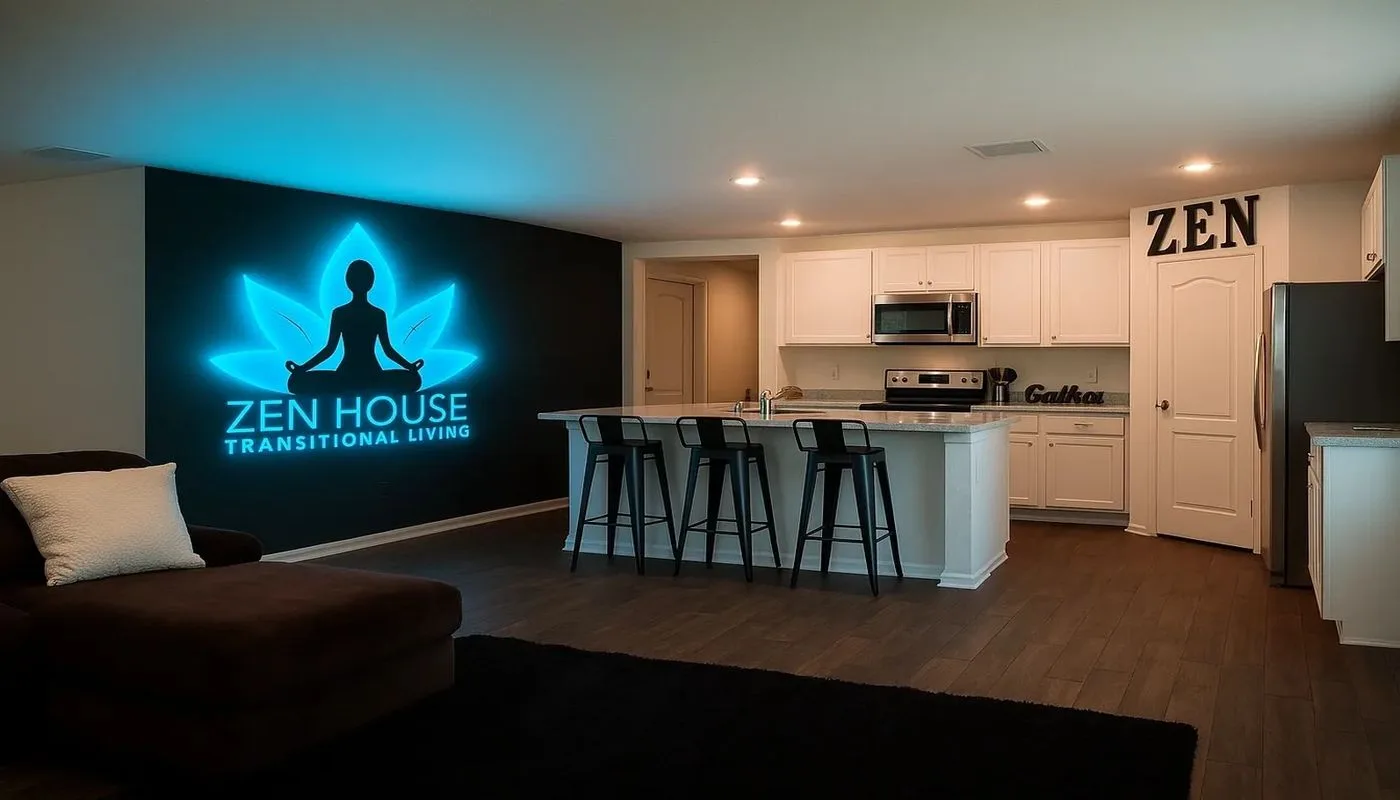

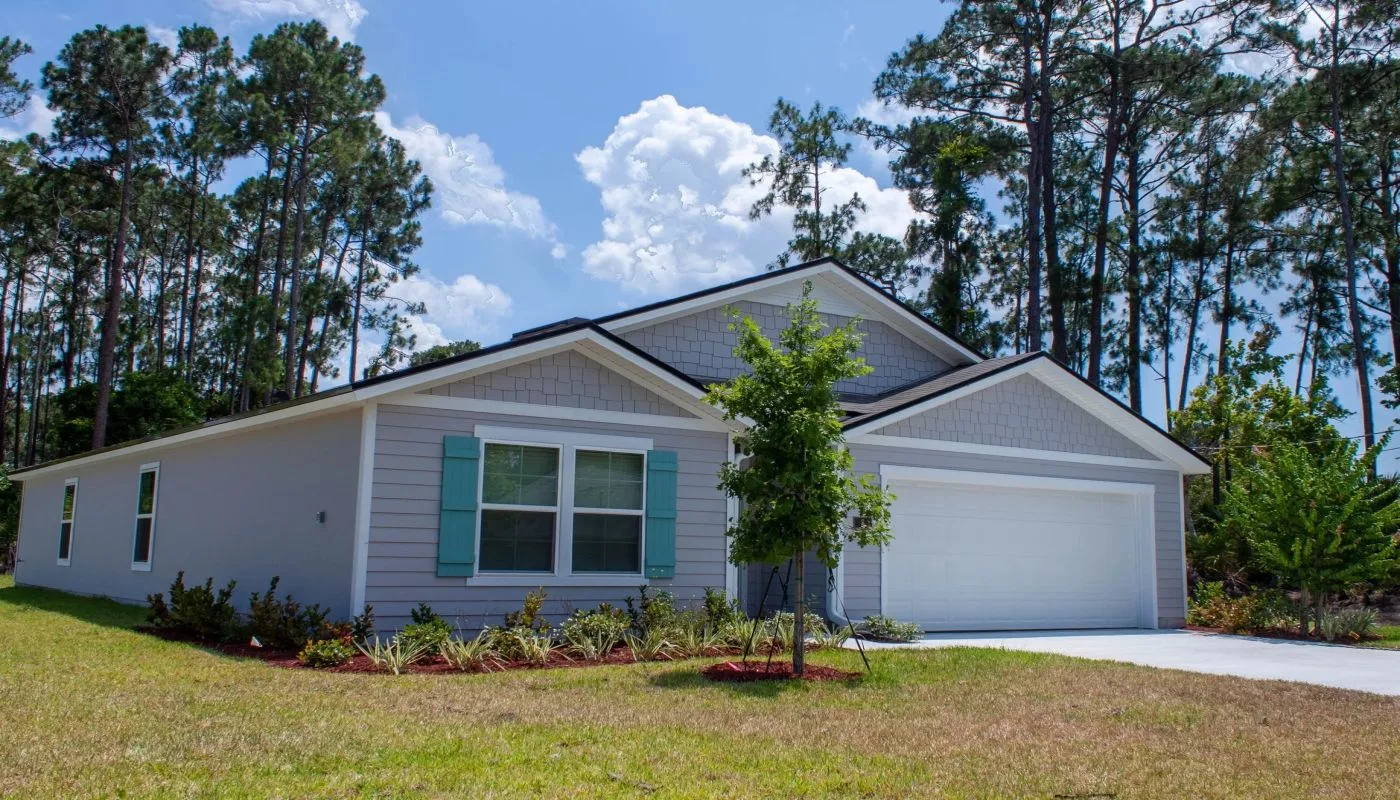
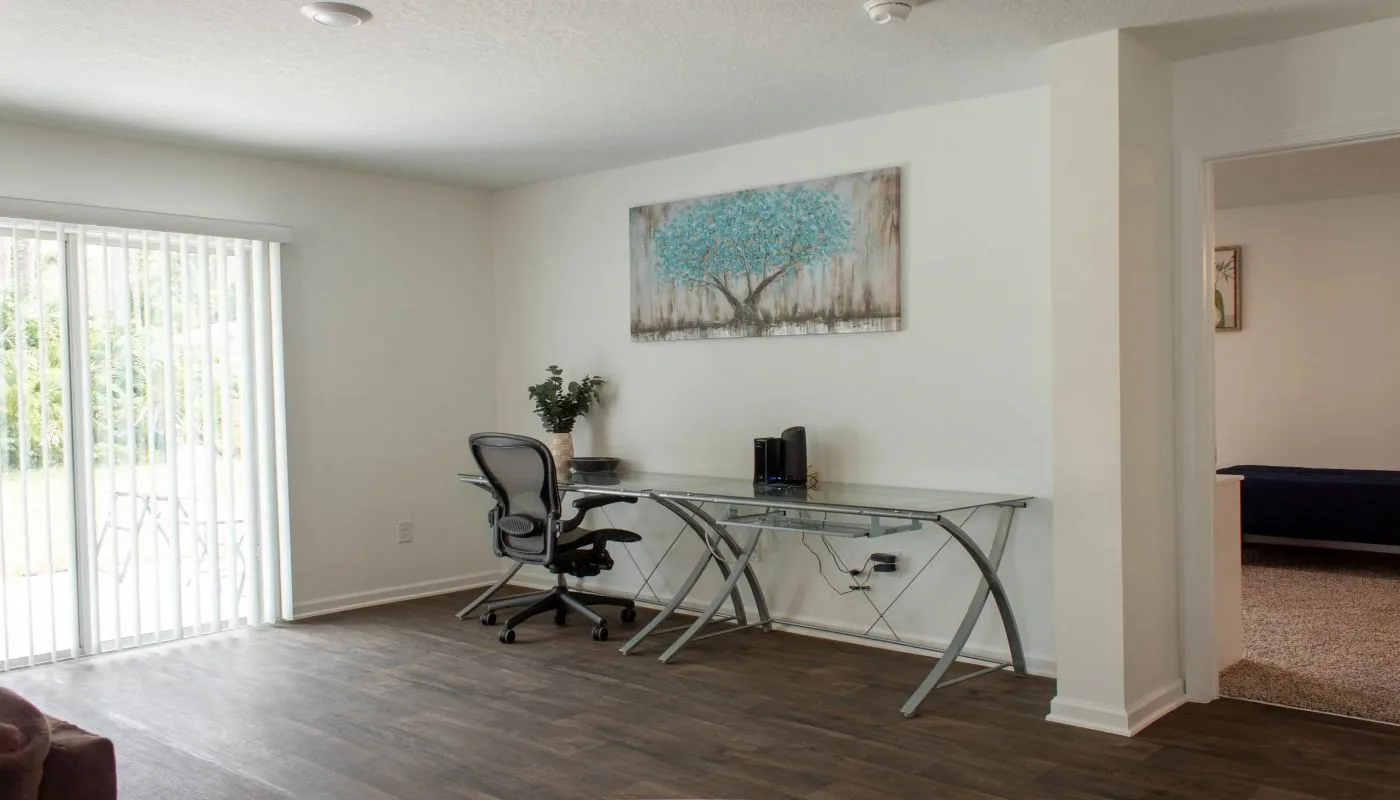
Photos sourced from facility public listings · Click to view full size
Key Takeaways for Zen House Transitional Living
- • Inpatient · PHP · MAT · Dual Dx offered
- • Accepts Medicaid, Medicare
- • SAMHSA-listed facility
- • Direct line available · Helpline free & confidential 24/7
About Zen House Transitional Living
Located in Hamilton, OH, Zen House Transitional Living operates within the OH regulatory framework as a licensed addiction-treatment provider. The facility offers a continuum of care across multiple levels — Inpatient, PHP, MAT, Dual Dx — which means it can, in principle, hold a patient across the arc of a typical treatment episode. Structural evaluation of this facility's clinical posture requires review of state licensing records, accreditation status, and payer-network contracts.
Care levels at Zen House Transitional Living
The facility offers a continuum of care across multiple levels — Inpatient, PHP, MAT, Dual Dx — which means it can, in principle, hold a patient across the arc of a typical treatment episode. The practical question is whether it is genuinely strong at each level, or whether one level is the core business and the others are secondary. Operational prerequisite for admission: documented clinical assessment establishing medical necessity for the specific level of care Zen House Transitional Living provides. The ASAM Criteria 4e framework is the benchmark standard for this assessment and is referenced in most major payer medical-necessity documents.
Insurance and payment
Zen House Transitional Living accepts Medicaid — which is consequential because facilities that accept Medicaid tend to have the broadest patient populations and the most developed public-sector relationships, though reimbursement structures mean program intensity sometimes differs from commercial-focused centers. The operational prerequisite for admission is written documentation of: (a) network contract status; (b) prior authorization; (c) cost-sharing structure; (d) medical-necessity criteria applied. Absence of any of these four increases the probability of post-admission financial disagreement.
Specialty programming
The facility's documented specialty programming includes: Criminal justice (other than DUI/DWI)/Forensic clients, Clients with co-occurring mental and substance use disorders, Persons with post-traumatic stress disorder (PTSD). Evaluation of specialty-program alignment requires documented review of clinical team credentials, specialty-specific programming hours, and integrated assessment protocols. Specialty designation without documented clinical infrastructure is a recognized marketing pattern in the sector.
Before you call
Operational admission checklist for Zen House Transitional Living: (a) clinical assessment with documented ASAM 4e level-of-care recommendation; (b) insurance benefits verification in writing; (c) MAT policy documentation; (d) accreditation and licensure verification; (e) confirmed prior authorization for specific level of care. Each should be obtained in written form prior to admission. The facility's documented pharmacotherapy offerings suggest MAT is available — confirm the specific medications and prescriber access during the admissions conversation.
Listing sourced from the SAMHSA Behavioral Health Treatment Services Locator. Data last synced June 2026. Verify current programs directly with the facility.
Zen House Transitional Living at a Glance
Levels of care
Inpatient · PHP · MAT · Dual Dx
Service settings
Outpatient, Partial hospitalization/day treatment, Residential/24-hour residential
Therapy approaches
Cognitive behavioral therapy, Dialectical behavior therapy, Group therapy, Integrated Mental and Substance Use Disorder treatment, Individual psychotherapy, Telemedicine/telehealth therapy
Age groups
Young Adults, Adults, Seniors
Special populations
Criminal justice (other than DUI/DWI)/Forensic clients, Clients with co-occurring mental and substance use disorders, Persons with post-traumatic stress disorder (PTSD), Persons 18 and older with serious mental illness (SMI)
Medications
Fluphenazine, Haloperidol, Perphenazine, Aripiprazole, Brexpiprazole, Cariprazine
Insurance & Payment Accepted
Confirm in-network status before admission — verification is free.
Contact & Location
Address
2052 Princeton Road, Hamilton, OH 45011
Facility direct line
(828) 767-4857Website
zenhousepalmcoast.comQuestions about this facility
Common questions about Zen House Transitional Living
Answered from public sources: SAMHSA listings, federal parity regulations, and our own admissions helpline intake notes.
Is Zen House Transitional Living listed in the SAMHSA Treatment Services Locator?
What insurance does Zen House Transitional Living accept?
How do I know if this level of care is right for me?
Is calling confidential? Will my employer find out?
What happens if I call the helpline instead of the facility?
Similar facilities nearby